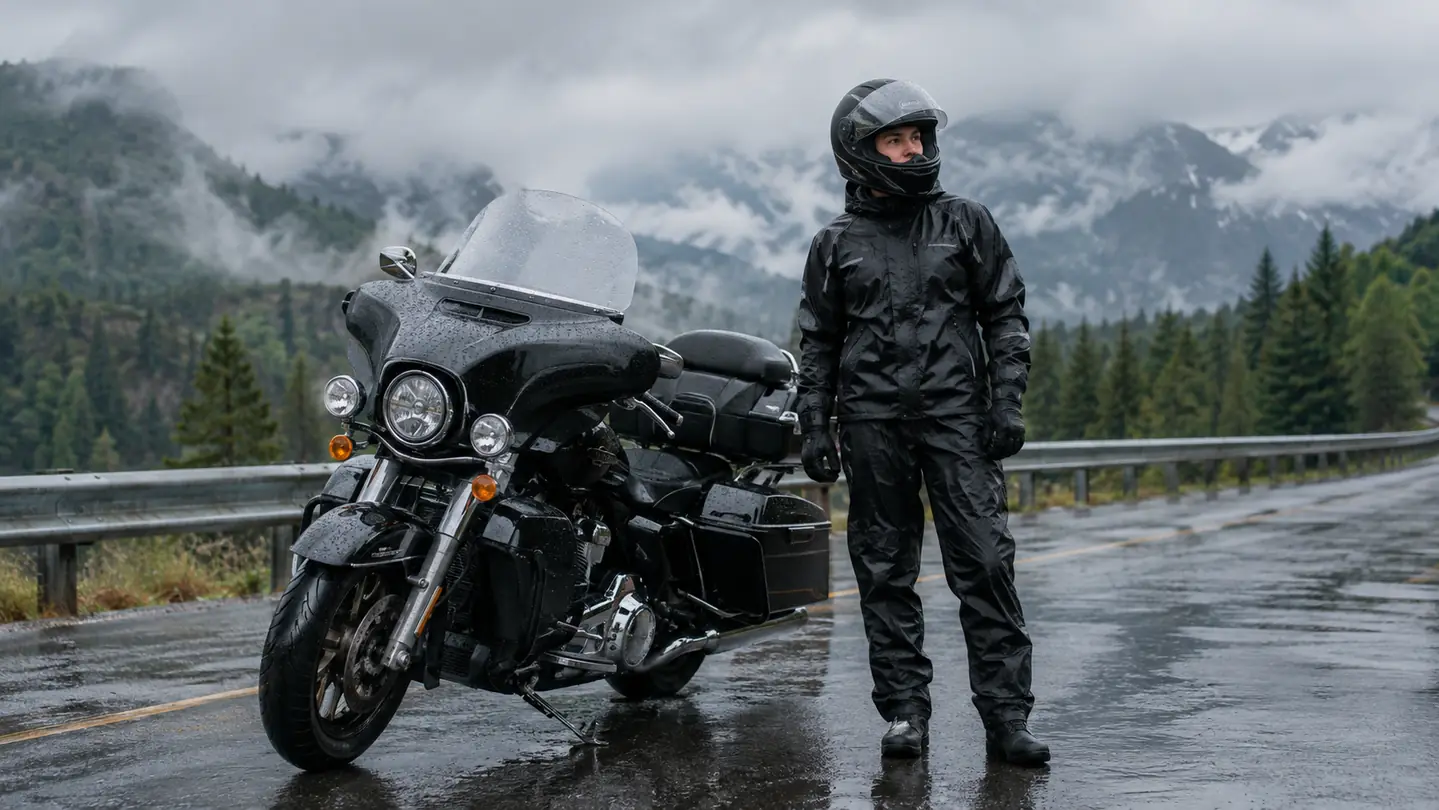
The first time I got caught in real rain with the Stormrider on, I was about 40 miles east of the Santiam summit and the temperature had dropped to 46. Rain was coming over the windshield of the Gold Wing in sheets, and the truck in front of me was throwing up a wall of spray. I remember thinking, this is the moment a rain suit either earns its place or gets sold on Craigslist. It earned it.
I have been riding for more than thirty years, and I have owned rain suits that leaked at the collar, soaked through at the crotch seam, and turned into personal saunas at the first hint of sun. When I retired from heavy equipment and moved to Bend full time, I told myself the next suit would be the one that lived in the trunk of the Gold Wing all year. The Nelson-Rigg Stormrider has been that suit for about fourteen months now, through a full Oregon winter and one wet summer trip to the coast. Here is what it has actually been like.
The Quick Verdict
A two-piece rain suit that keeps you dry through a serious Cascade downpour, breathes better than the rubber suits I grew up with, and packs small enough to live in the trunk. The cut runs roomy on purpose, and the only real gripes are the collar and the baggy fit. For the rider who wants rain gear on the bike, not in the garage, it is hard to beat.
Amazon Check Today's Price →Riding through a mountain rainstorm without a dry layer is a lesson you only need to learn once.
The Stormrider is the suit I keep in the trunk every season. Check today's price on Amazon and see if it fits how you ride.
Amazon Check Today's Price on Amazon →How I've Used It
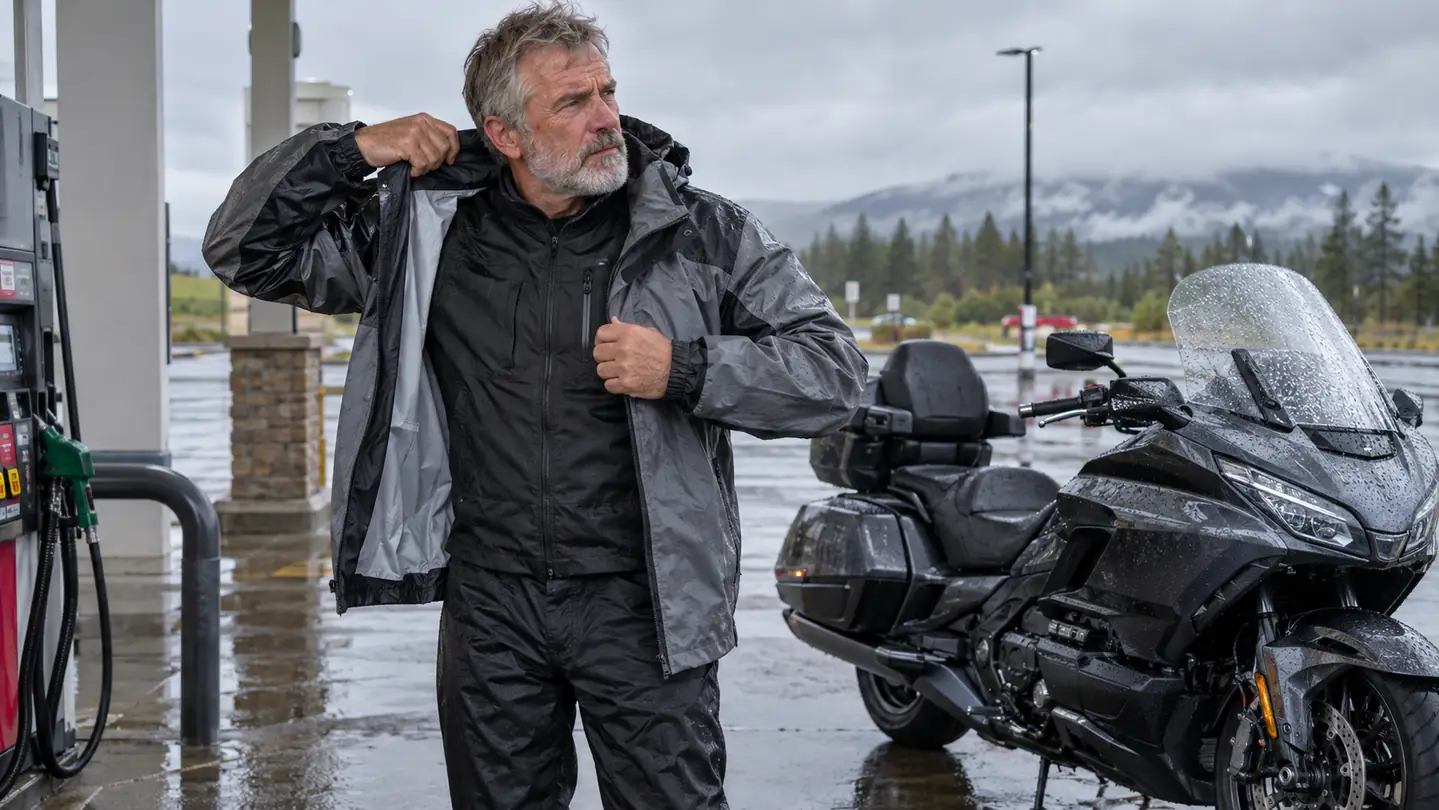
I have put about 6,000 miles on this suit in the fourteen months I have owned it. That is not all rain miles, which is part of the point. The suit lives in the trunk of the 2017 Gold Wing, rolled into its storage bag, from April through November. When a squall shows up over the Cascades, I pull off at the first safe turnout and put it on over my riding gear. That takes about four minutes once you have done it a few times, and it beats standing under a gas station awning waiting for the sky to sort itself out.
Linda rides pillion on the longer trips, and she uses the suit too. I ordered the size up so she could layer it over her riding jacket. On our trip to the Oregon coast last summer we hit a solid three hours of rain south of Florence, and she stayed dry the whole way. That was the first time she had worn a two-piece suit for more than an hour, and she did not complain once. For anyone who rides two-up, that is about the highest praise a piece of gear can get.
The rest of the time the suit does its real job. It waits. It sits in the trunk through ninety degree days on Highway 97 and only earns its keep on the days nobody plans. That is the test that matters for a rain suit, in my book. Any suit can keep you dry for ten minutes in a sprinkle. The Stormrider has kept me dry for two hours in a genuine Cascade downpour, and then sat in the trunk for two weeks, and then done it again.
Why a Dedicated Rain Suit Instead of a Textile Jacket
A lot of riders figure their textile jacket is waterproof and call it done. I used to think that, right up until the day water found the zipper, then the cuffs, then the place where the collar meets your neck. A dedicated two-piece suit solves that because it is designed to go over everything. The Stormrider jacket has a storm flap over the front zipper, elastic at the wrists, and a collar that actually closes up around your neck. The pants have elastic at the ankles and a waist that cinches down over your jeans or your riding pants.
The other advantage is that you can wear it over whatever you already own. My everyday gear is a perforated leather jacket in the summer and a heavier textile jacket when it gets cold. The Stormrider fits over both because it is cut roomy on purpose. A rain suit that only fits over one specific jacket is a rain suit you will not own long. This one has never been a problem, and I am not a small man. I wear a 2XL in most riding gear, and the 3XL suit fits me with room to spare.
The material is a waterproof breathable fabric, not a rubberized rainsuit like the ones I wore in my twenties. That distinction matters. The old suits kept the rain out and the sweat in, so by the end of a long day you were wet either way, just wet from a different source. The Stormrider breathes well enough that on a 60 degree rain I stay dry on both sides of the equation. That has been the biggest surprise of the long test, honestly.
The Wet Test: What Actually Held Up
I am going to tell you about the weak points first, because that is what a long-term review is for. The storm flap over the front zipper is the most important detail on any rain jacket, and Nelson-Rigg got it right. In fourteen months I have never had water work its way through the front closure. The wrists are elastic and they seal fine over my gloves. The collar is the one spot I would change. It closes with a simple tab, and in a hard sideways rain some water finds its way down the back of my neck. It is a small amount, and it has never soaked my base layer, but I notice it.
The pants have been the bigger surprise, because rain pants fail at the crotch seam more than anywhere else. Mine have not. I have sat in the saddle through two hours of steady rain on the way back from Madras and climbed off with dry jeans. The ankles seal over my boots with elastic, and the waist stays put over my riding pants. The one thing to know is that the legs are cut wide, which is what you want when you need to get them on over boots. If you are the kind of rider who likes trim fitting gear, this suit is not that.
The reflective piping has held up through all of it. I ride at dusk a fair amount, and I want the cars behind me to see the shape of a rider, not just one headlight. The Stormrider has reflective material on the jacket and the pants, and after a season of washing and packing it still reflects clearly. I would not call any rain suit a safety device, but visibility at dusk is visibility, and this suit does its part.
The zippers have never failed, the snaps have never pulled, and the seams have never opened up. That is the boring part of a long-term review and also the part that matters most. I have owned rain gear that failed at the seams in one season. This suit is going into its second year with nothing but a few scuffs on the knees from where I lean against the tank.
One practical note about getting dressed. The pants go on easiest if you sit on the seat and pull them up over your boots one leg at a time. The first few times I tried to do it standing in the gravel, I looked like a fool and almost went over sideways. Now I know the drill, and it takes about ninety seconds. The jacket goes on like any jacket, and the whole suit fits over my gear without me having to take off my boots or my gloves.
Packing, Fit, and the Little Things
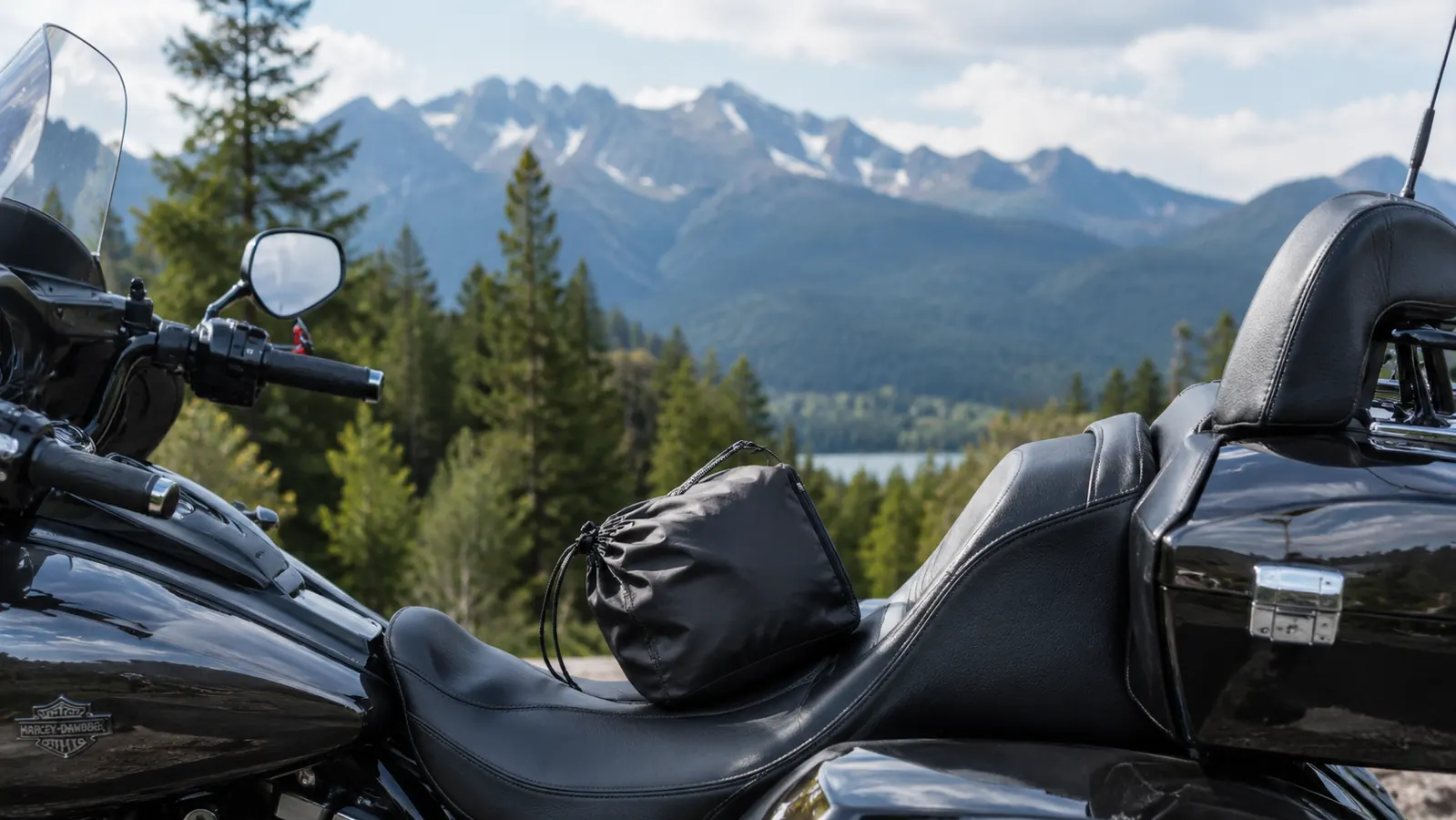
The Nelson-Rigg Stormrider rolls into a storage bag about the size of a loaf of bread. It lives in the trunk of the Gold Wing next to the tire repair kit and the first aid pouch. When it is not raining, I forget it is there. That is exactly what I wanted, because a rain suit that has to be strapped to the bike or carried into the house is a rain suit that gets left behind on the day it matters.
The fit runs roomy, and I want to be straight with you about what that means. I ordered up a size so Linda and I can both layer it over our jackets, and the tradeoff is that on me the jacket is loose around the middle. In a crosswind it flaps a little. It has never caught the wind badly enough to be a problem, and the elastic cuffs keep the sleeves from riding up, but if you want a trim look, order your normal size and expect it to fit like a rain suit, not like a riding jacket.
The pockets are usable, which is rarer than it should be. The two hand pockets on the jacket close with snaps, and they keep a phone dry through a downpour. I have stopped worrying about the phone in the left pocket on wet days. The pants have a small pocket as well, though I mostly use it for a key or a card when I am off the bike.
One thing I will mention because nobody warned me: the suit is not insulated. It is a rain shell, and it does not add any warmth. In a 40 degree rain you need your base layer and your regular riding jacket underneath. What the suit does is keep the wet off so your layers keep doing their job. That is the whole deal, and it is enough.
The Downsides After Fourteen Months
I have already told you about the collar and the loose cut, but there are two more things worth knowing. The first is that if you pack the suit away damp, it will come out musty. I learned that on the coast trip. We packed it wet after the rain finally stopped, and two weeks later it smelled like a gym bag. The fix is simple. Hang it up for an hour when you get home, or air it out at the next stop. It dries fast, which is the good news, but a rain suit that lives in the trunk will get packed wet eventually, and this one does not forgive that.
The second thing is the pillion question. Linda has worn the suit on two trips and she likes it, but she would not want to spend a full day in it. The pants are baggy enough that they catch a little air at highway speed, and the jacket is cut for a rider leaning forward, not a passenger sitting upright. It keeps her dry, which is the job, but the fit is clearly designed with the rider in mind. If you ride two-up and your passenger is picky, try the suit on them before you buy.
What I Liked
- Kept me dry through two hours of steady Cascade rain, including the crotch seam on the pants
- Packs small enough to live in the Gold Wing trunk all year
- Breathes well enough to wear in a warm rain without soaking yourself from the inside
- Reflective piping stays bright after a full season
- Roomier cut fits over any jacket, and one size up fits a pillion too
Where It Falls Short
- Collar lets a little water down the back of the neck in sideways rain
- Cut is baggy and flaps in a crosswind
- Gets musty if packed away damp
- No insulation, so you still need your normal layers underneath
Two hours of steady rain on the way back from Madras, and I climbed off with dry jeans.
Who This Is For
If you ride a touring bike or an adventure bike and you want one piece of gear that covers you for every season, this suit is for you. It is for the rider who would rather have rain gear living in the trunk for six months than be the rider standing under a gas station awning hoping the squall passes. It is for the person who rides to work in clear weather and rides home in the rain, and who wants a whole suit they can pull on over their clothes in four minutes.
It is also for riders who carry a passenger. The roomy cut means one suit, sized up, fits two different riders with different jackets underneath. That is a real money saver if you ride two-up, and it is the reason Linda and I have not bought a second suit.
Who Should Skip It
If you only ride in the dry months, and you would rather take the car than ride in a sprinkle, you do not need this suit. Buy a cheap poncho for the one time a year you get caught, or just accept that you will get wet. There is no shame in being a fair weather rider. Buying gear you will not use is the most expensive kind of gear.
If you want a fitted rain suit that feels like a technical shell, or if you ride a sportbike and you want something you can move in at a lean, look at a one-piece suit or a trimmer two-piece. The Stormrider is built for comfort and coverage, not for the track. And if your rain comes with near freezing temperatures, remember that this is a shell. It does not add warmth of its own, so for that kind of riding you may want an insulated suit instead.
Fourteen months and 6,000 miles later, the Nelson-Rigg Stormrider still lives in my trunk.
If you ride where rain shows up without asking, this suit is worth a look. Check today's price on Amazon and see if it fits how you ride.
Amazon Check Today's Price on Amazon →