
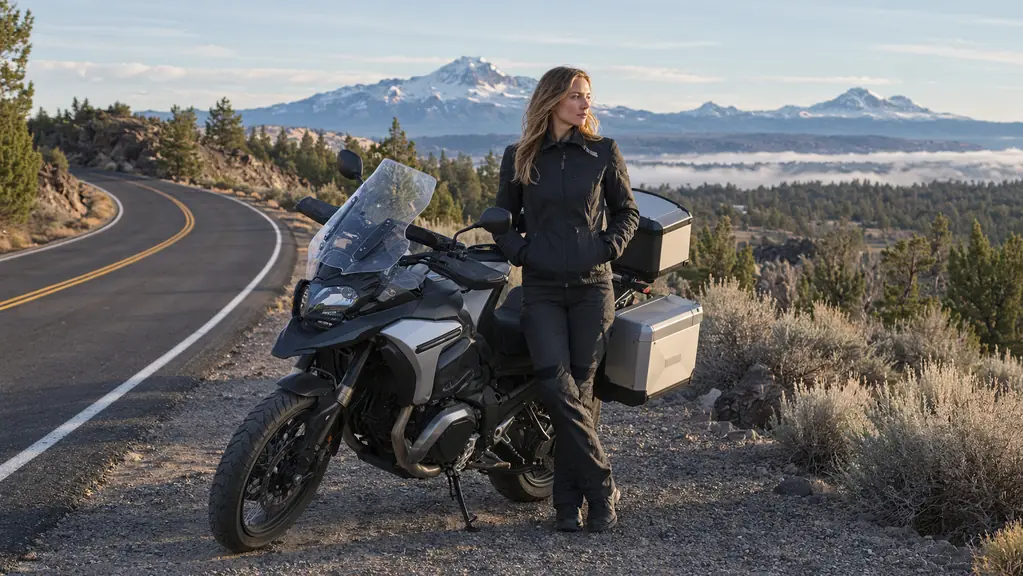
I have worn some form of sheepskin touring glove for most of my riding life. They are comfortable, they breathe, and they look right on a Gold Wing. But last spring I picked up a pair of Alpinestars SP-8 V3 gloves for the days when the riding gets serious, and after a season of Central Oregon miles I have a clear answer about which one I would take on a long trip.
The short version: the Alpinestars SP-8 V3 is the better glove for most touring riders. It has real armor, a secure closure, and a palm that does not slide around on the grip. The sheepskin glove is more comfortable in the heat and easier to pack, but it gives up too much protection for the kind of riding I do. I put about 8,000 miles on the bike last year, most of it on Central Oregon highways and mountain passes, and I wore both pairs enough to have opinions, not just impressions. One pair went on my hands for every serious ride. The other went on for the hot days and the short hops. Here is the full breakdown, including where I think the sheepskin glove is still the right call for some riders.
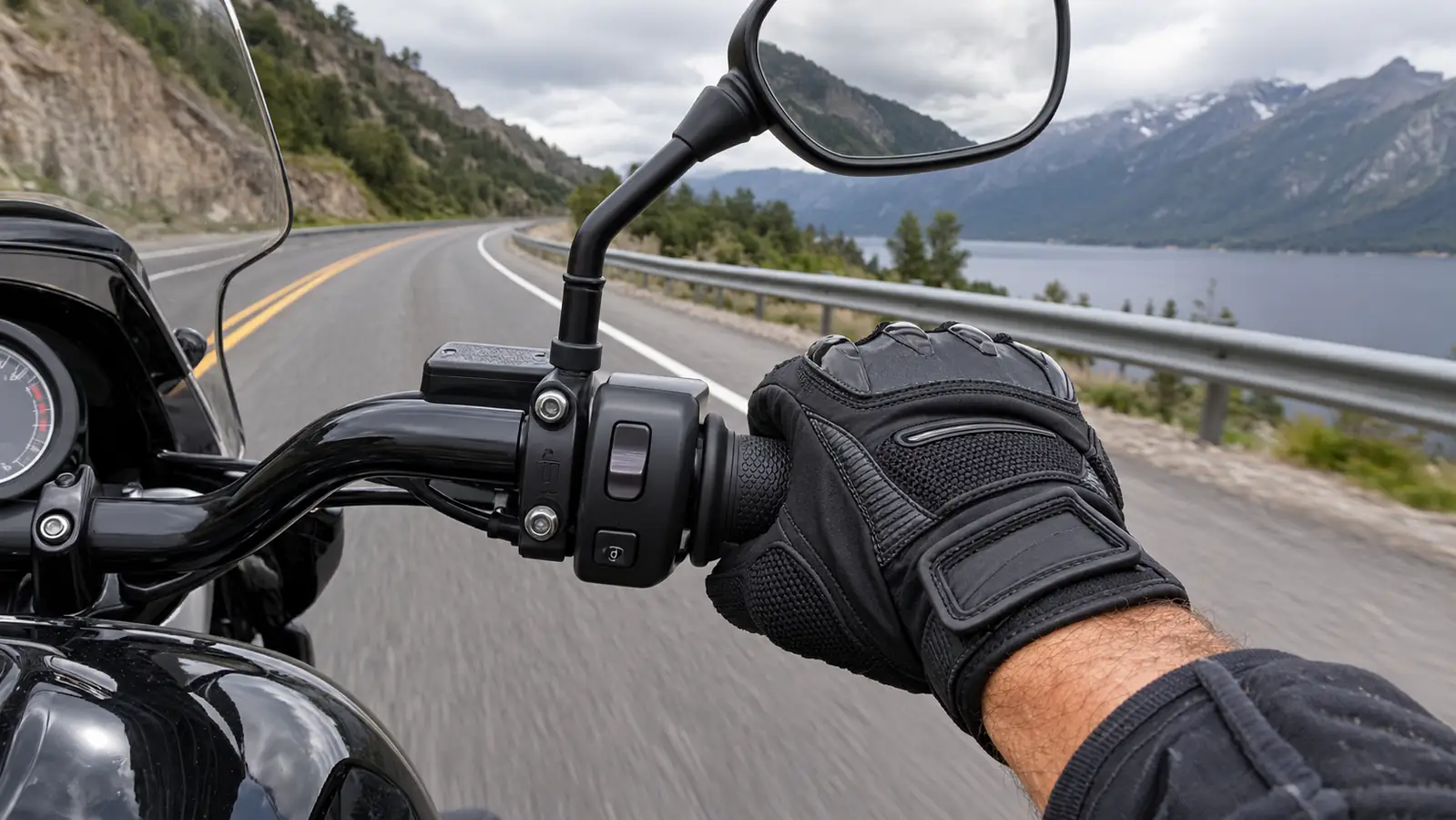
| Alpinestars SP-8 V3 | Sheepskin Touring Glove | |
|---|---|---|
| Protection | Knuckle armor, padded palm and fingers, full leather construction | Soft leather with no armor and no padding |
| Closure | Secure wrist strap with hook-and-loop, stays put in a crash | Simple elastic cuff, can pull off in a slide |
| Comfort in heat | Perforated panels help, but the glove runs warm | Breathable sheepskin stays comfortable in 80-degree sun |
| Feel on the grips | Close fit with a grippy palm, precise lever control | Soft and bulky, less feedback through the bars |
| Break-in | Stiff out of the box, needs a few hundred miles | Soft from the first ride |
| Best for | Touring riders who want real protection on every ride | Warm-weather riders who prioritize comfort over armor |
Where the Alpinestars SP-8 V3 Wins
That decision did not come from a spec sheet. It came from a June morning on the Cascade Lakes Highway, about 40 miles west of Bend. I had left the house in the sheepskin gloves because the forecast said sunny and 70. By the time I hit the first switchback above Elk Lake, the temperature had dropped into the mid-40s and the wind was coming straight off the snowbanks. My hands went numb inside the sheepskin within twenty minutes. I could still work the throttle and the brakes, but the clutch lever felt like a foreign object, and I caught myself gripping the bars harder to compensate. I turned around at the next pullout, rode home with my hands tucked under my armpits whenever I could, and spent the rest of that weekend ordering a pair of Alpinestars SP-8 V3 gloves and reading every sizing guide I could find. That was the moment I stopped treating gloves as an afterthought.
The biggest difference is protection. The Alpinestars SP-8 V3 has a hard knuckle guard, padding over the fingers, and a reinforced palm. The sheepskin glove has none of that. I am not going to tell you that any glove will save you from a bad crash, because that is not how it works. But when I lowsided a few years back, the difference between a glove with armor and a glove without was the difference between a bruised hand and a shredded one. I know which one I want on my hands.
The moment that settled it for me happened in September on the McKenzie Highway. A contractor had left a fresh layer of loose gravel across the pavement just past the Dee Wright Observatory, the kind of surface that looks fine until you are on it. I was doing maybe 35 by the time I saw it, and the front end still stepped sideways for a second before the tires bit back in. I did not go down, but the handlebars whipped hard enough that my left hand took a solid hit against the grip. In the Alpinestars SP-8 V3, the hard knuckle guard absorbed that and I kept rolling. In the sheepskin glove, there is nothing between your knuckles and the pavement but a layer of hide. I thought about that the rest of the way home, and I thought about it again that night while I was cleaning the bike.
The Alpinestars SP-8 V3 also fits better on the bike. The palm is cut close, so I can feel the grips and the levers without hunting for them. The wrist strap keeps the glove locked in place, and the cuff does not let wind or rain sneak in. On a long day in the saddle, that adds up to less fatigue and more confidence. My wife Linda rides pillion on our longer trips, and she has noticed that I am not stopping as often to adjust my gloves.
Sizing took me one try, which surprised me. I measured my hand the way the sizing charts tell you to, palm circumference just under 8.5 inches, and the large fit that measurement almost exactly. I wear a large in most work gloves, and the large SP-8 V3 fits the same way: snug across the palm, no loose material at the fingertips, and just enough room to curl my fingers around the grip. The first ride they were stiff, especially across the knuckles. I put about 300 miles on them before they softened up, mostly around town and on short highway hops. By the third week they felt like they had been on my hands for years. If you are between sizes, I would size up, because a glove that is too tight will make your hands cramp on a long day. The closure is the detail people overlook. The hook-and-loop strap wraps the wrist and cinches down hard, and it has not slipped once in the time I have owned them.
There is also the wet-weather question. I got caught in a steady rain coming back from Prineville in October, about an hour of it, and the Alpinestars SP-8 V3 kept my hands mostly dry. The leather soaks through eventually, same as any glove, but the tight cuff keeps the water from running down your sleeves and pooling inside. The sheepskin glove has no cuff to speak of, just elastic at the wrist, and in any steady rain it soaks through fast. That matters more than people think on a touring bike, because wet hands do not just feel bad, they make your grip slip and your attention wander.
Where the Sheepskin Touring Glove Wins
I will be honest: the sheepskin glove is more comfortable in the heat. On a 90-degree afternoon in the Cascades, the Alpinestars SP-8 V3 gets warm. The sheepskin breathes, and my hands stay drier. If you ride mostly in hot weather and you never push the pace, the sheepskin glove is a fine choice. It also breaks in immediately. There is no stiff leather phase, no week of wondering if the gloves will ever soften up.
The hottest day I rode last summer was the Fourth of July weekend, 94 degrees on the way out to Smith Rock. I wore the sheepskin gloves that day and my hands were comfortable the whole way, even stopped in traffic outside Redmond. I have worn the Alpinestars SP-8 V3 in that same kind of heat and they are noticeably warmer. The perforated panels help, but they are still a sport glove at heart, and on the hottest afternoons I find myself pulling them off at fuel stops to let the sweat dry. That is not a dealbreaker, but it is a real difference, and on a two-week trip through the desert it would matter more.
The sheepskin glove is also easier to pack. It folds flat, takes up almost no room in a saddlebag, and you can stuff it in a jacket pocket when you stop for lunch. The Alpinestars SP-8 V3 is bulkier, and the armor means it does not fold down as small. For a rider who wants one glove for everything and does not care about armor, the sheepskin glove is the simpler choice.
I keep the sheepskin pair in the left saddlebag all summer as a backup. They weigh almost nothing, and when I stop for gas in 85-degree heat, I can swap them on in thirty seconds. The Alpinestars pair lives in the top box because they do not squish down the same way. That is a small thing until you are trying to fit a week of camping gear into two saddlebags and a trunk, and then it is the difference between taking the trip and leaving things behind.
There is one more thing the sheepskin glove does that the Alpinestars cannot match: it feels like a glove is supposed to feel. The leather is soft from the first wear, the seams do not press into your fingers, and there is no break-in period at all. I bought my first pair of sheepskin riding gloves in the 1990s and I have owned at least four pairs since. That comfort is real. It just comes at the cost of protection, and that is a trade I am no longer willing to make for highway miles.
The Glove I Trust on Every Long Ride
After a full season comparing both, the Alpinestars SP-8 V3 is the pair I reach for when the trip is more than an hour. Real armor, a secure fit, and a palm that does not move around on the grips.
Amazon Check Today's Price on Amazon →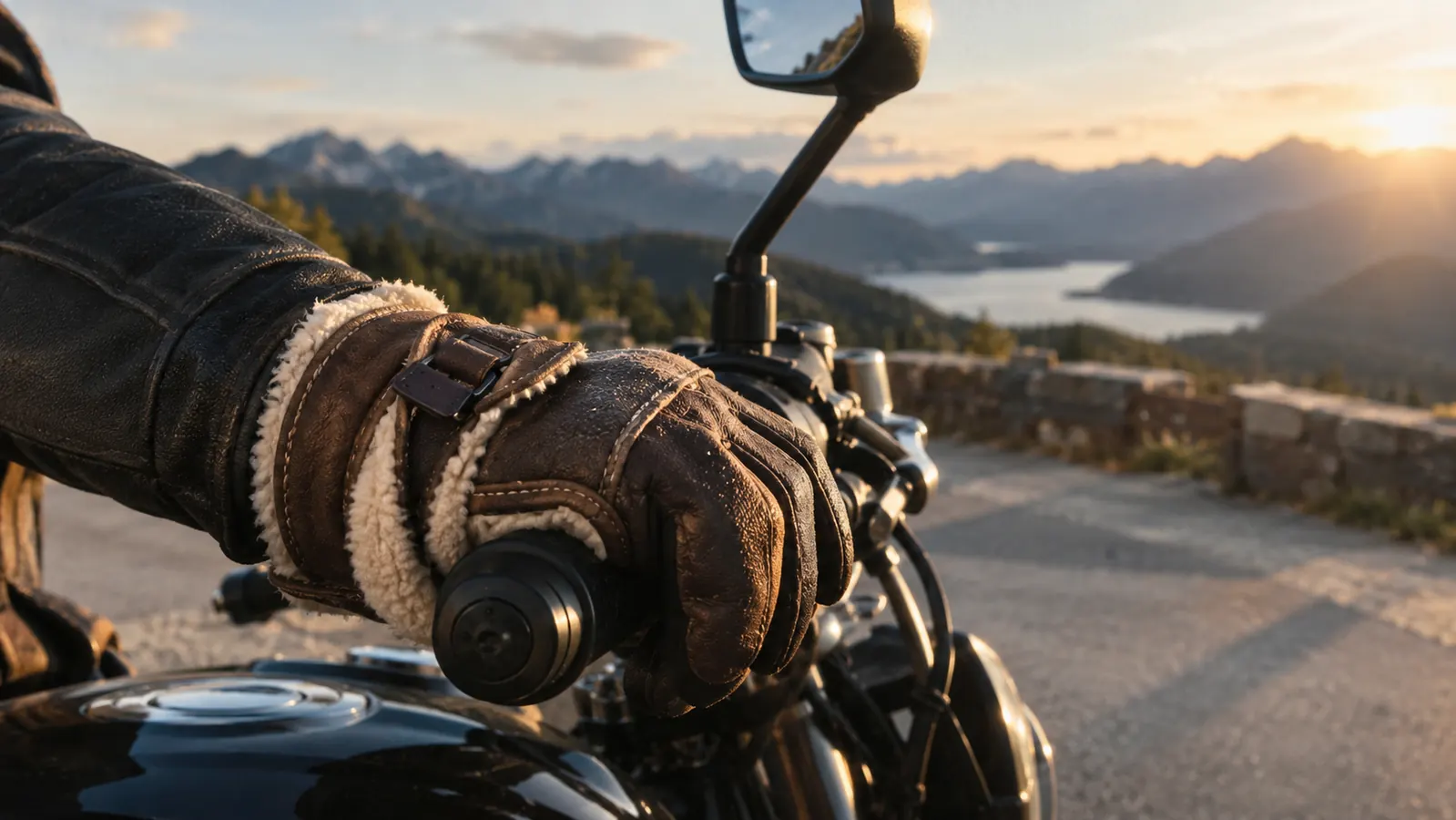
Who Should Buy Which
Buy the Alpinestars SP-8 V3 if you ride any distance at speed, if you ride in cooler weather, or if you have ever gone down and wondered whether your gloves would have held up. It is the safer choice, and it does not give up much comfort to get there. The break-in period is real, but it is a one-time cost.
For the kind of riding I do, about 8,000 miles a year of highways and mountain passes, the choice is not close. The Alpinestars SP-8 V3 is on my hands for every ride that leaves the driveway. I wear them in town, I wear them on the long trips with Linda, and I wear them when I am just running down to the hardware store. The protection is always there, and I do not have to think about it. That is what a good piece of gear does: it gets out of the way and lets you ride. I have had the same pair since last spring and they show almost no wear, which tells me the leather is doing its job.
Buy the sheepskin touring glove if you ride only in warm weather, if you never ride in traffic, or if you simply cannot get past the feel of soft leather on your hands. It is a good glove for what it is. It is just not the glove I would choose for the kind of riding I do, and it is not the glove I would want on my hands if things went wrong.
Here is how I would decide if I were you. If you ride less than a couple thousand miles a year, mostly on sunny weekends, and you have never had a close call that made you think about your hands, the sheepskin glove will serve you fine. If you ride in traffic, ride in the shoulder seasons, or spend any time on roads where the surface can change without warning, get the Alpinestars SP-8 V3. The break-in takes two weeks. The protection lasts as long as the glove does. I have been riding for more than thirty years, and the only piece of gear I regret skimping on was gloves. Everything else I could fix at a gas station.
One more thing worth saying: the Alpinestars SP-8 V3 is not a cold-weather glove, and I do not want you to buy it thinking it is. Below about 45 degrees I add a pair of thin liner gloves underneath, and that works fine because the fit is close without being tight. The sheepskin glove is warmer in dry cold, because the hide is thicker, but the open cuff lets the wind in, which is exactly what failed me that June morning. Even so, I would still take the Alpinestars pair on a cold ride, because cold hands come back in ten minutes at a gas station and shredded hands do not.
Ride With Real Protection
The Alpinestars SP-8 V3 has the armor, the closure, and the fit that make it my pick for touring. See today's price on Amazon and decide for yourself.
Amazon Check Today's Price on Amazon →